Posted on Leave a comment

When & Why Should You Train Your Workforce for Rope Access?

rope access

Working at height is one of the most critical and high-risk operations across industries — from offshore oil rigs to high-rise commercial buildings. While hiring certified professionals is essential, investing in your own workforce’s rope access and height-safety training can transform your team’s efficiency, safety, and productivity.


The Power of IRATA-Standard Training

IRATA-certified training isn’t just a certificate on the wall. It’s a comprehensive program that ensures your staff can safely plan, execute, and monitor rope-access tasks. Employees trained under Evolution Access Training gain practical skills in risk assessment, emergency rescue, and safe work techniques — empowering them to handle complex tasks confidently.

Not only does this reduce the likelihood of accidents, but it also ensures compliance with international safety standards, giving your company credibility and reliability in competitive bids.


Boost Efficiency and Reduce Downtime

Imagine a maintenance project in a warehouse, refinery, or offshore platform. Workers unfamiliar with rope access may require additional scaffolding, extra personnel, or extended project timelines. By contrast, a trained workforce can complete tasks faster, safer, and with fewer resources, minimizing downtime and project delays.

IRATA-standard training equips your team to adapt to challenging conditions, plan their rope access setup, and execute work with precision. This means projects are completed efficiently, safely, and on schedule — a direct benefit to your bottom line.


Build In-House Capability

Relying solely on external contractors can be costly and limit flexibility. With internal training, your organization gains a skilled, certified workforce that can respond to emergencies, handle routine inspections, and perform maintenance without waiting for third-party services.

Investing in in-house rope access capability also demonstrates commitment to employee safety, boosts morale, and reinforces a culture of professionalism and accountability across the organization.


Strategic Benefits for Your Business
  1. Cost Savings: Reduce dependency on external contractors and expensive equipment rentals.
  2. Safety & Compliance: Ensure your team follows global best practices and legal safety standards.
  3. Operational Flexibility: Adapt quickly to project demands without delays.
  4. Reputation: Clients and stakeholders notice companies with trai

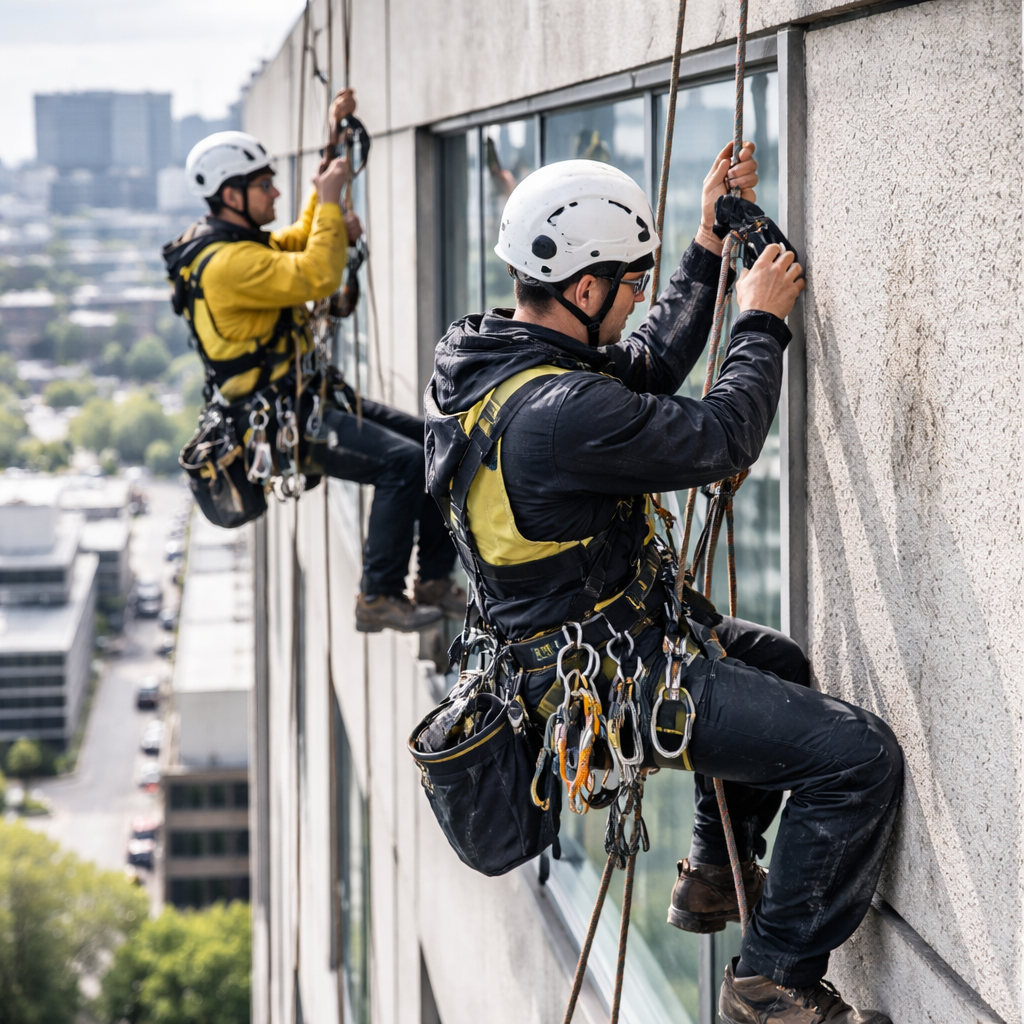
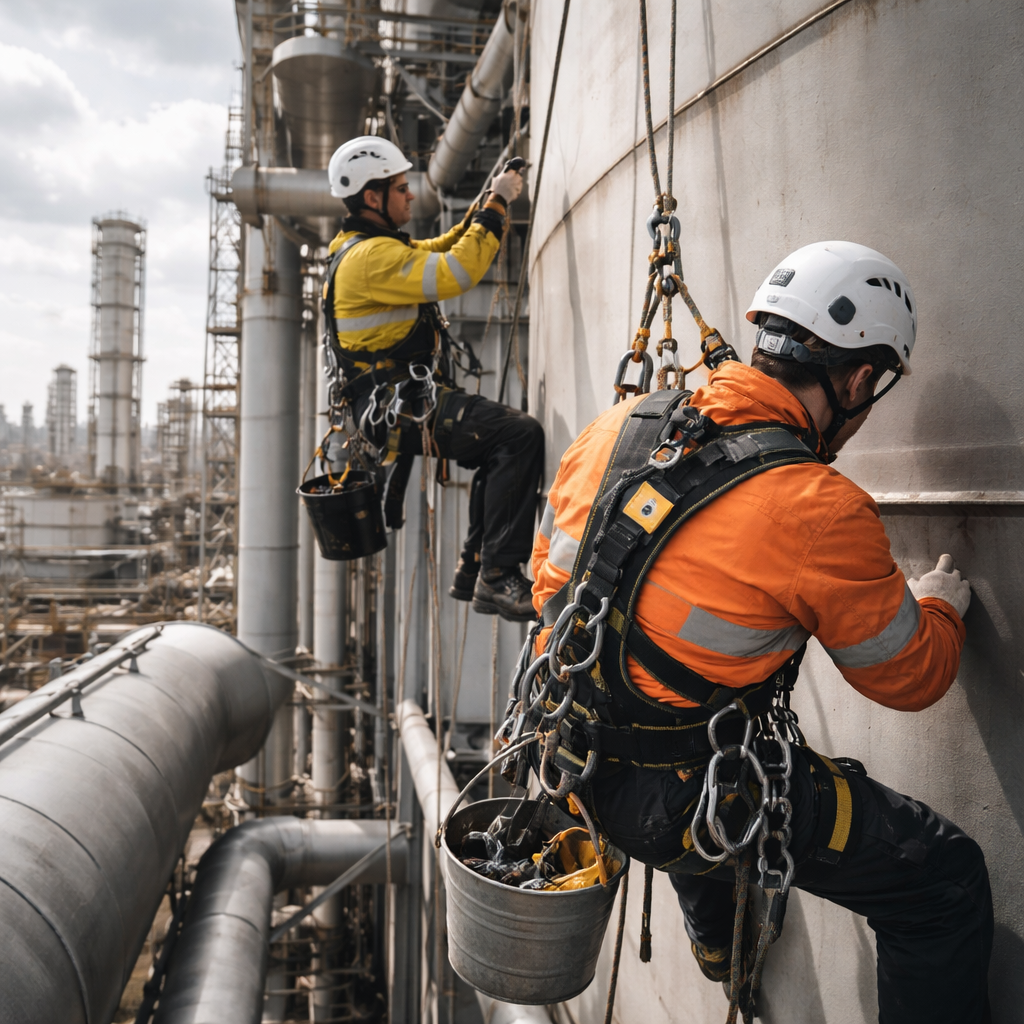
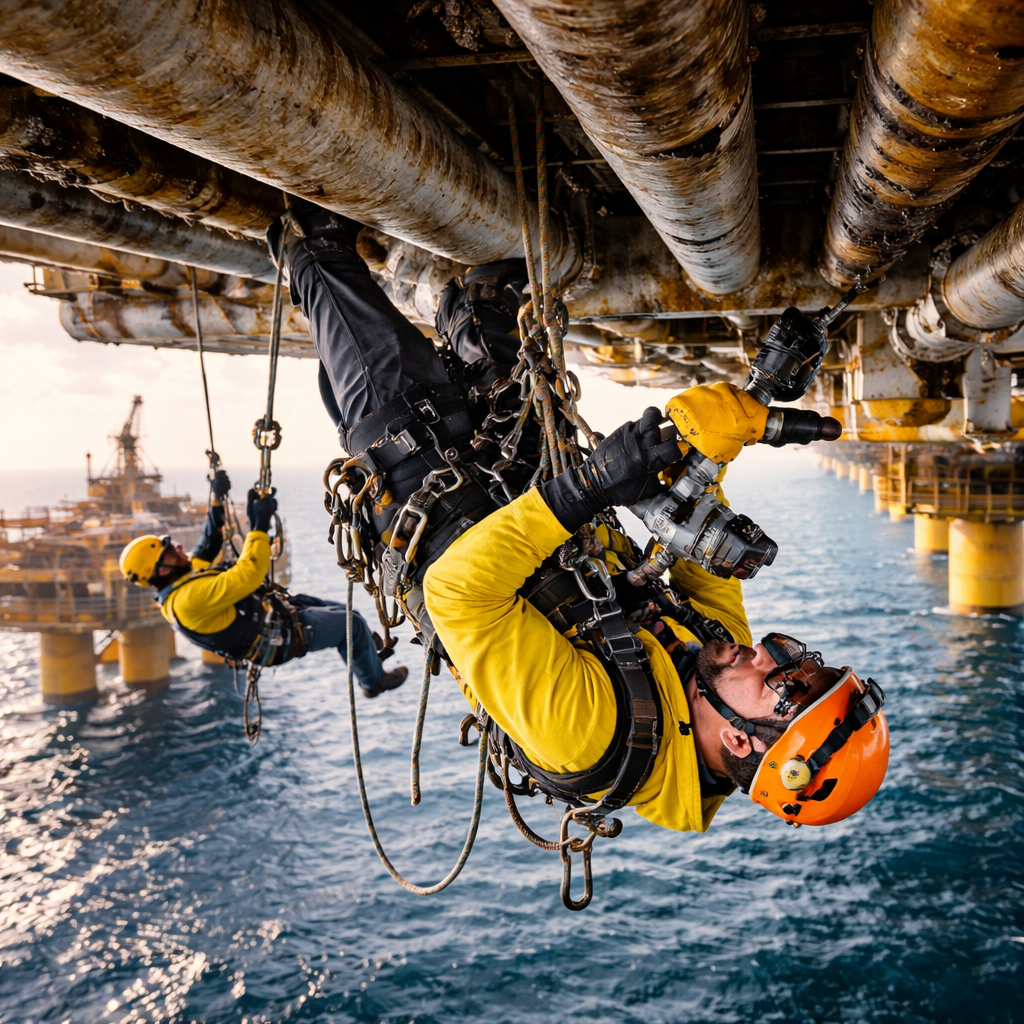
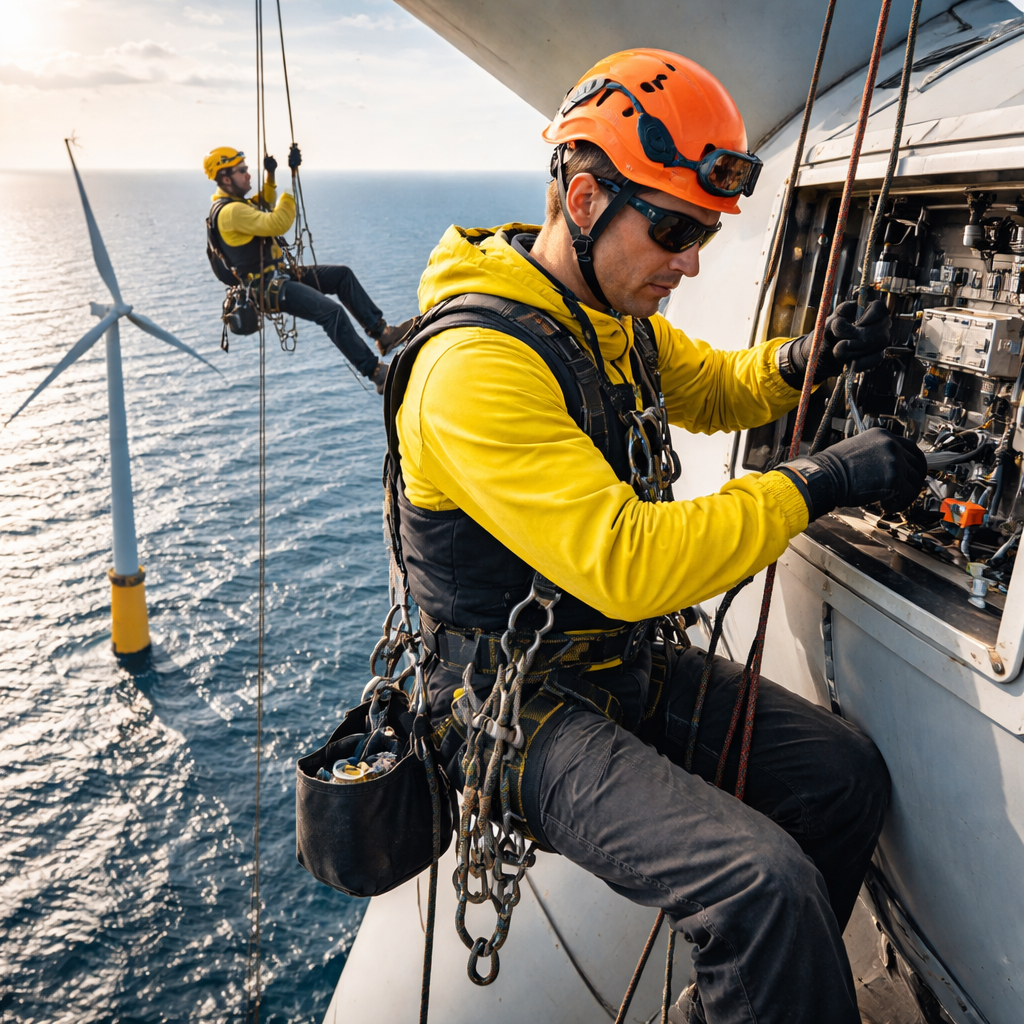
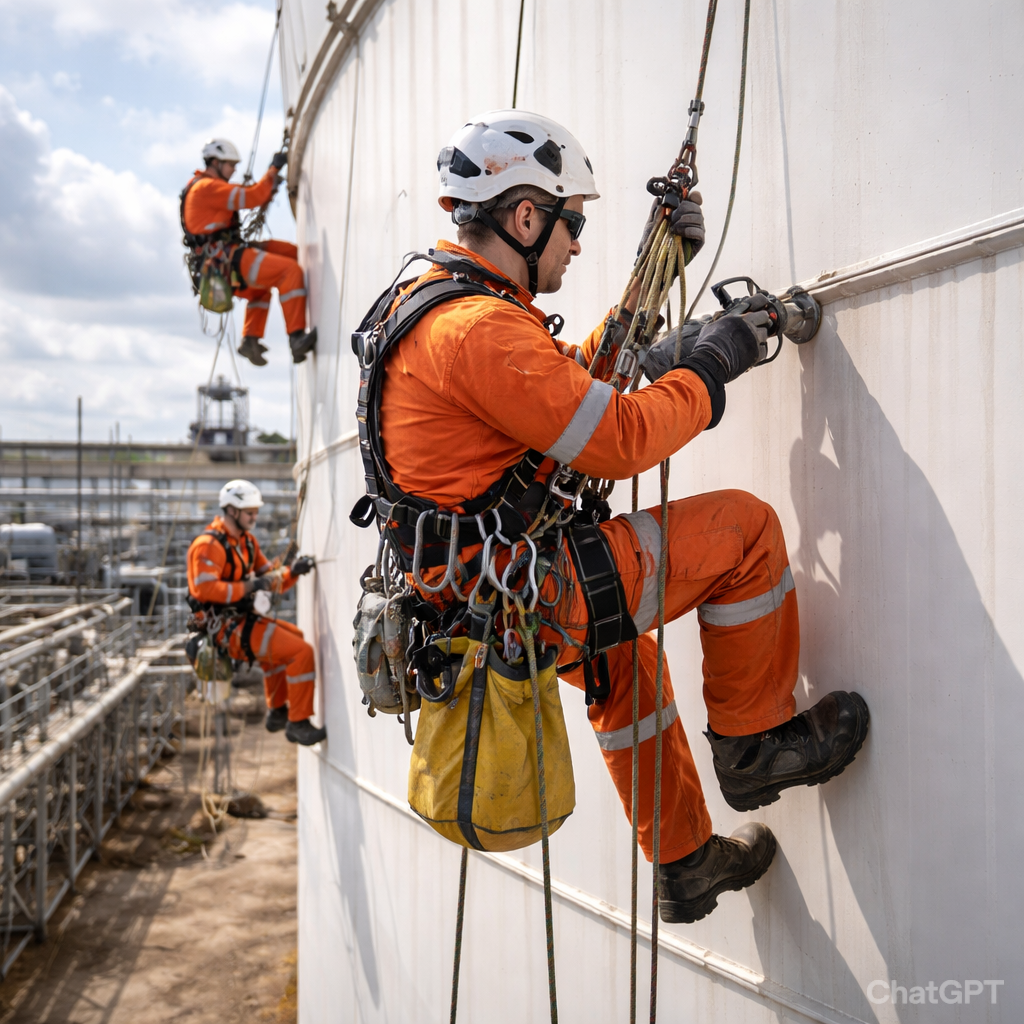
    Rope access training helps reduce height risks while improving safety, efficiency, and workforce performance.

    All personnel involved in working at height, including maintenance staff, inspection teams, and safety officers, should undergo training. It ensures everyone is prepared for safe execution of high-risk tasks.
    ned and certified staff, giving you a competitive edge.

Learn more about Evolution Access’s Rope Access Services and how integrated training can complement your operational capabilities.


FAQs: Rope Access & Height-Safety Training
Who should undergo IRATA-standard rope access training?
All personnel involved in working at height, including maintenance staff, inspection teams, and safety officers, should undergo training. It ensures everyone is prepared for safe execution of high-risk tasks.
Training varies by level (1–3). Level 1 focuses on basic rope access, Level 2 on supervision, and Level 3 on planning and rescue. Courses combine theory, practical exercises, and safety protocols.
Can trained staff perform both onshore and offshore rope-access operations?
Yes. IRATA training equips workers for diverse environments, including offshore platforms, industrial sites, and urban high-rise projects. It covers equipment handling, emergency response, and risk assessment in all conditions.
Posted on Leave a comment

Rope Access in 2026: Drone Inspections & Remote NDT Tech

rope access

Rope access has evolved far beyond traditional manual inspections. In 2026, innovation continues to reshape how industrial and high-rise maintenance is performed, making operations safer, faster, and more data-driven. Companies like Evolution Access are advancing this evolution by integrating drone-assisted inspections and remote Non-Destructive Testing (NDT) into rope access services, delivering highly efficient solutions for complex and challenging projects.
______________________________________________________________________________________________________________

Drone-Assisted Inspections: Extended Reach with Greater Safety

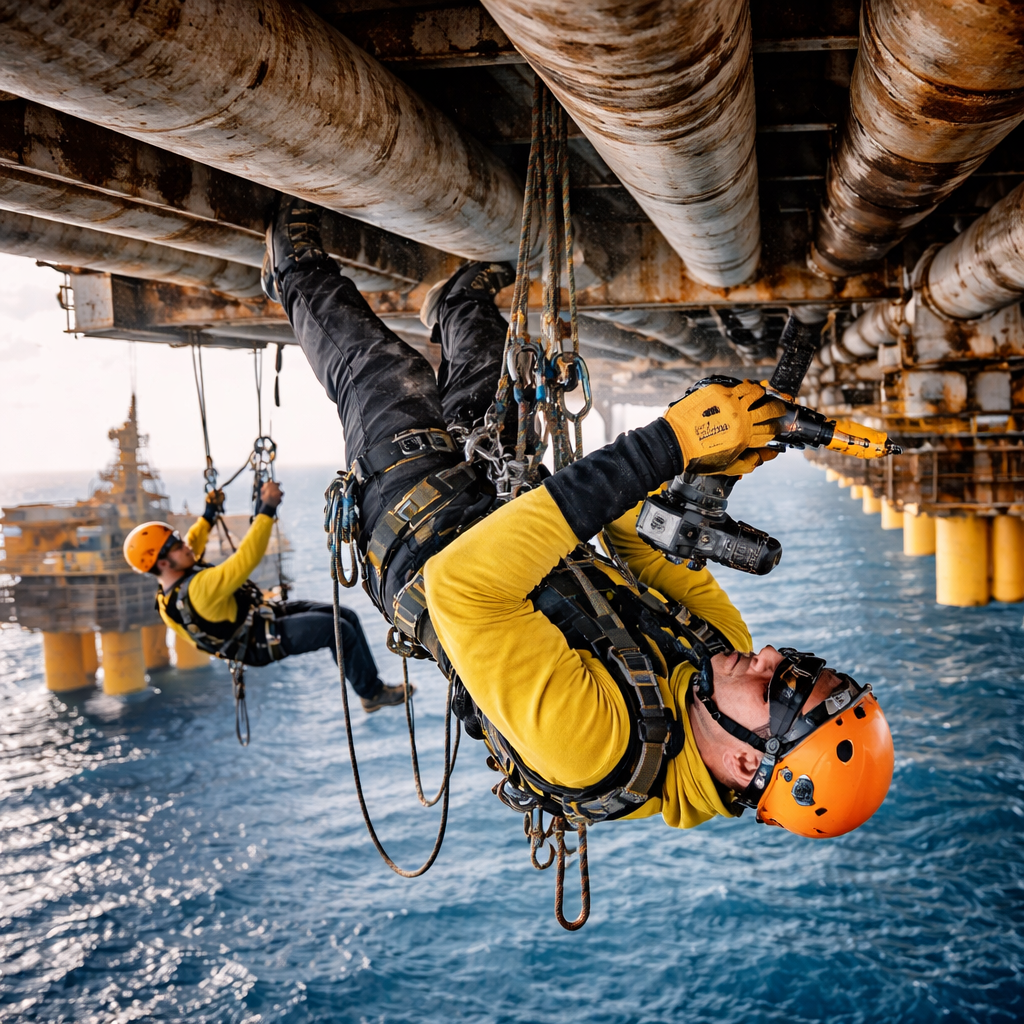
Drones have become a core component of modern rope access strategies, enabling inspection of hard-to-reach areas without unnecessary human exposure. From tall chimneys and industrial stacks to offshore platforms and silos, drones capture high-resolution images and video footage in minutes — tasks that previously required extensive manual setup and prolonged rope access operations.

At Evolution Access, drone technology is seamlessly integrated with rope access services, allowing engineers to assess structural conditions remotely before deploying technicians where necessary. This approach improves inspection speed, enhances safety planning, and reduces overall risk — particularly in offshore, high-risk, or confined environments.

Learn more about Evolution Access’s inspection services and how drones are used alongside rope access.
______________________________________________________________________________________________________________

Remote NDT Solutions: Precision Without Proximity

Non-Destructive Testing (NDT) remains essential for evaluating structural integrity without causing damage. In 2026, remote NDT technologies enable technicians to operate testing equipment from safe distances while maintaining high accuracy and compliance with industry standards.

By combining rope access with sensor-driven remote NDT methods, Evolution Access delivers detailed insights into corrosion, cracking, and material degradation. Clients benefit from faster data collection, reduced downtime, and minimal site disruption — all while maintaining stringent safety requirements.

Explore NDT and maintenance services to understand how technology enhances inspection reliability.
______________________________________________________________________________________________________________

Technology Integration with Rope Access

The defining advancement in 2026 is the seamless integration of drones, remote NDT, and rope access techniques. This hybrid approach enables inspection teams to:

  • Reduce man-hours spent working at height
  • Capture high-resolution visual and technical data efficiently
  • Deliver near real-time reporting to clients
  • Support preventive maintenance before minor issues develop into major failures

Evolution Access continues to demonstrate that modern rope access is no longer limited to manual techniques — it is technology-enabled, data-driven, and highly precise.
______________________________________________________________________________________________________________

Why This Matters for Clients

Clients partnering with Evolution Access benefit from:

  • Safety-focused operations with reduced human exposure
  • Faster project execution through drone-assisted and remote inspection methods
  • Improved decision-making driven by accurate, real-time inspection data

The combination of IRATA-certified technicians and advanced inspection technology ensures efficient, reliable outcomes — even in the most complex industrial and high-rise environments.
______________________________________________________________________________________________________________

FAQs
What types of structures can be inspected with drones in rope access projects?
Drones can inspect high-rise buildings, industrial silos, offshore platforms, chimneys, bridges, and other hard-to-access structures. Evolution Access integrates drone imaging with rope access to deliver comprehensive inspections.
How does remote NDT improve safety and efficiency?
Remote NDT allows technicians to conduct testing from safe distances, reducing time spent at height while providing accurate, actionable data for maintenance planning.
Can rope access, drones, and remote NDT be used together?
Yes. Evolution Access combines these technologies into hybrid inspection solutions, integrating human expertise with advanced data capture for precise and efficient project delivery.
Posted on Leave a comment

Which Rope Access Services Do You Need?

rope access

When it comes to industrial projects, maintenance, or inspections at height, traditional scaffolding and cranes often fall short. That’s where rope access services come into play — a safer, faster, and more cost-effective solution. But with so many options available, how do you know which rope access service suits your needs? Let’s break it down.


Understanding Your Project Requirements

The first step is to identify the nature of your project. Are you handling routine inspections, industrial maintenance, surface repairs, or specialized tasks like welding or coatings? Rope access services are versatile and can cater to:

  • Inspection & NDT (Non-Destructive Testing): Perfect for structural audits, corrosion checks, and safety evaluations. Technicians can access confined spaces or challenging structures like chimneys, tanks, and towers with minimal disruption.
  • Maintenance & Repairs: Whether it’s cleaning, minor welding, painting, or surface repairs, rope access allows trained professionals to perform high-quality work safely and efficiently.
  • Specialized Coatings & Industrial Application: Ideal for protective coatings, anti-corrosion layers, or any treatment that requires precision at height.
  • Confined Space Access: Some projects involve tight or restricted areas where scaffolding cannot fit. Rope access teams can maneuver safely in these zones, ensuring full coverage.

By understanding your project’s complexity, height, and workspace limitations, you can pinpoint the exact service your team needs.


Why Rope Access Could Be Your Best Choice

Unlike cranes or scaffolds, rope access minimizes setup time and costs while maximizing safety. At Evolution Access, all technicians are IRATA-certified and trained to handle various surfaces and heights efficiently. This approach ensures that your maintenance, inspection, or repair work does not interrupt ongoing operations, which is particularly valuable in industrial or offshore projects.

Moreover, rope access is environmentally friendly. Since it requires minimal equipment and no heavy machinery, it reduces site congestion and carbon footprint — a bonus for projects where space and compliance matter.


Choosing the Right Service for You

To select the perfect rope access service:

  1. Assess the Task Type: Is it inspection, repair, cleaning, or coating?
  2. Evaluate Access Constraints: Is it a high-rise, offshore platform, or confined area?
  3. Consider Equipment & Expertise Needed: Some tasks require NDT specialists, welding-certified technicians, or coating experts.
  4. Plan for Safety & Compliance: Ensure all work meets IRATA and industry safety standards.

With Evolution Access, you can customize services based on your specific requirements, ensuring efficiency, safety, and quality.


FAQs

Q1: Can rope access be used in offshore or marine environments?
Yes! Evolution Access provides fully equipped rope access teams for offshore platforms, ship maintenance, and marine inspections, ensuring safety and minimal disruption.
Q2: How do I know if my project requires inspection, welding, or coating services?
Start by evaluating the project type, height, and access constraints. Our experts can assess your site and recommend the exact service needed.
Q3: Are Evolution Access technicians certified?
Absolutely. All technicians are IRATA-certified, trained in safety protocols, and experienced across industrial, marine, and confined-space projects.