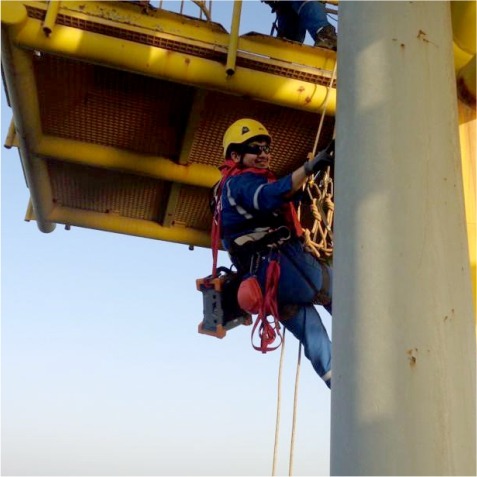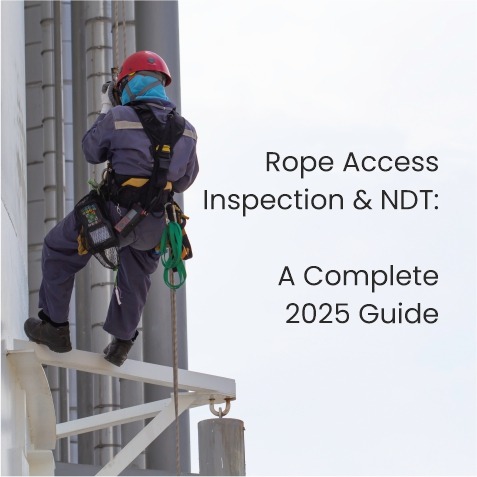

Industrial facilities are becoming more complex every year, and maintaining structures at height is a constant challenge. Traditional access solutions like scaffolding, cranes, or large platforms can be time-consuming and expensive. In 2026, rope access has become one of the most efficient and reliable solutions for performing maintenance, inspections, and repairs in difficult-to-reach locations.
Using highly trained technicians and specialized rope systems, rope access allows teams to safely reach elevated or confined areas while keeping operations efficient. Here are 10 key benefits of rope access for industrial maintenance in 2026.
-
Enhanced Safety Standards
Safety remains the top priority in industrial work. Modern rope access techniques follow strict international safety standards and rely on dual rope systems, certified equipment, and trained technicians. As a result, rope access is widely recognized as one of the safest methods for working at height.
-
Faster Project Completion
Unlike scaffolding or heavy machinery that requires long setup times, rope access systems can be installed quickly. This allows technicians to begin work sooner and complete tasks faster, making rope access services ideal for time-sensitive industrial maintenance projects.
-
Reduced Operational Downtime
Industrial facilities cannot afford long shutdowns. Rope access teams can often perform maintenance while operations continue, minimizing disruptions and helping businesses maintain productivity.
-
Cost-Effective Maintenance Solution
One of the biggest advantages of rope access is cost efficiency. Since there is no need for extensive scaffolding, large equipment, or heavy lifting machinery, companies can significantly reduce project costs while still maintaining high safety standards.
-
Access to Difficult and Confined Areas
Many industrial structures include hard-to-reach areas such as tall towers, offshore platforms, bridges, or complex piping systems. Rope access allows technicians to reach these locations easily, making it an ideal solution for inspection, repair, and maintenance tasks.
-
Minimal Site Disruption
Large access systems can block walkways, production zones, or operational equipment. Rope access requires minimal ground support, allowing maintenance work to proceed without interfering with daily operations.
-
Versatile Industrial Applications
Rope access is highly adaptable and can support a wide range of services, including structural inspections, corrosion control, coating repairs, welding support, and cleaning. This versatility makes it a valuable tool for industries such as oil and gas, marine, infrastructure, and energy.
-
Environmentally Friendly Approach
Compared to traditional access methods that require heavy machinery or large installations, rope access has a smaller environmental footprint. Less equipment means reduced material use, lower transport requirements, and less disturbance to the surrounding environment.
-
Highly Skilled Technicians
Rope access technicians undergo specialized training and certification to perform work safely at height. Their expertise allows them to complete complex maintenance tasks efficiently while maintaining strict safety and quality standards.
-
Ideal for Modern Infrastructure Maintenance
As industrial structures age and expand, maintenance demands continue to grow. Rope access offers a flexible and scalable solution that allows companies to maintain critical infrastructure without costly access installations.
Conclusion
In 2026, rope access continues to transform the way industrial maintenance is performed. With advantages such as improved safety, faster deployment, reduced costs, and access to challenging locations, it has become a preferred solution across many industries.
For companies looking to maintain complex structures efficiently, rope access services provide a smart, safe, and cost-effective approach to modern industrial maintenance.