


When it comes to working at heights, safety isn’t optional — it’s everything. If you’re hiring a rope access provider, knowing the standards they adhere to can save lives, reduce downtime, and protect your investment. But with so many companies claiming “safe practices,” how do you separate the certified experts from the amateurs?
IRATA Certification: The Gold Standard
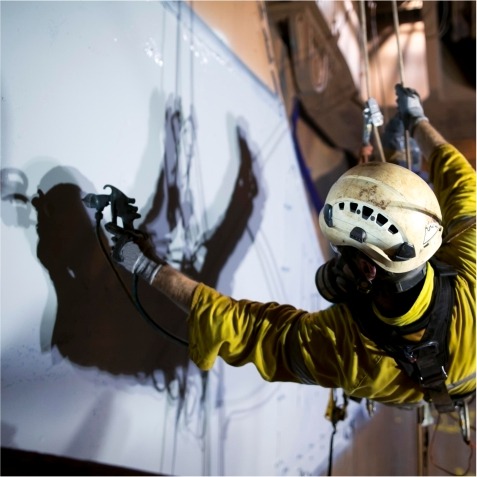
The Industrial Rope Access Trade Association (IRATA) certification is widely recognized worldwide. It ensures that technicians are trained, assessed, and competent to carry out rope access work safely. At Evolution Access, all rope technicians are IRATA certified, which means every climb, inspection, and repair follows international protocols.
Why does it matter? Imagine a high-rise facade or an offshore structure. A small mistake could be catastrophic. Certification ensures every move is checked, monitored, and backed by industry best practices.
Safety Planning & Rescue Protocols
Safety isn’t just about ropes and harnesses. A reputable rope access company implements a detailed site-specific safety plan. This includes:
- Pre-inspection of anchors and access points
- Emergency rescue plans and drills
- Continuous monitoring of weather conditions and risks
At Evolution Access, every project begins with a thorough risk assessment, and rescue protocols are tested before work begins. It’s like having a safety net before stepping on the tightrope — literally.
Equipment Standards & Maintenance
Ever wondered how reliable rope access gear really is? Certified providers use only industry-approved harnesses, ropes, and descent devices. But it doesn’t stop there — regular inspections, maintenance, and replacement schedules are critical.
Evolution Access adheres to EN and ISO standards for all equipment, and each rope, harness, and pulley is checked before every project. This ensures that your team and site stay protected, even in challenging environments like offshore platforms or industrial plants.
Why Compliance Matters for B2B Clients
For corporate clients, insurers, and project managers, rope access safety isn’t just a box to tick — it’s a legal and operational requirement. Choosing a certified provider like Evolution Access minimizes liabilities, insurance risks, and project delays. Plus, a certified approach boosts confidence for employees and stakeholders, showing you value both safety and efficiency.
- Learn more about our Rope Access Services
- Explore our Industrial Maintenance Solutions
- Check out Our Training Programs
FAQs
- What certifications should rope access technicians have?
Rope access technicians should be IRATA certified, which ensures they have completed formal training, passed assessments, and can operate safely in high-risk environments. - How often is rope access equipment inspected?
All ropes, harnesses, and descent devices must be inspected before every job and undergo scheduled maintenance according to EN and ISO standards to prevent equipment failure. - What is included in a rope access safety plan?
A proper safety plan includes risk assessment, rescue protocols, anchor inspections, continuous monitoring, and contingency procedures. Evolution Access ensures every site has a comprehensive plan before work starts.