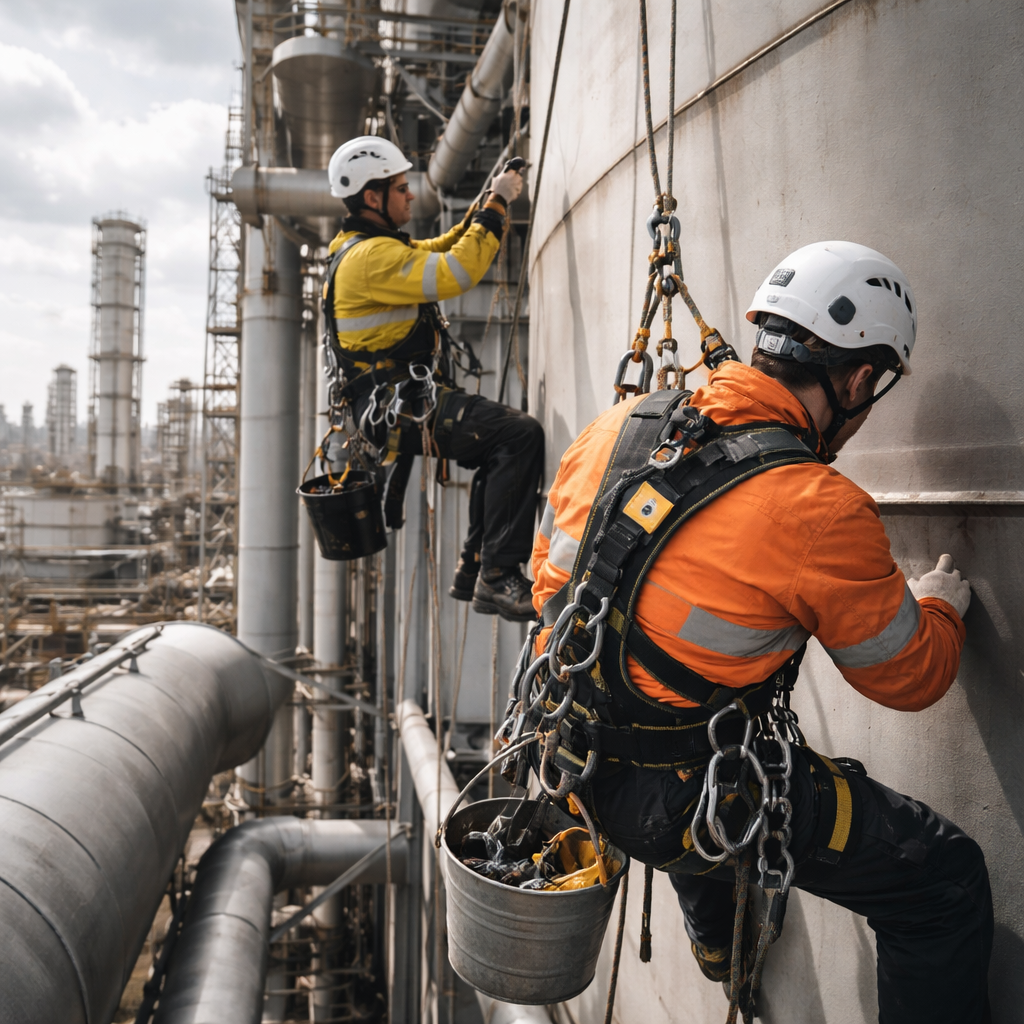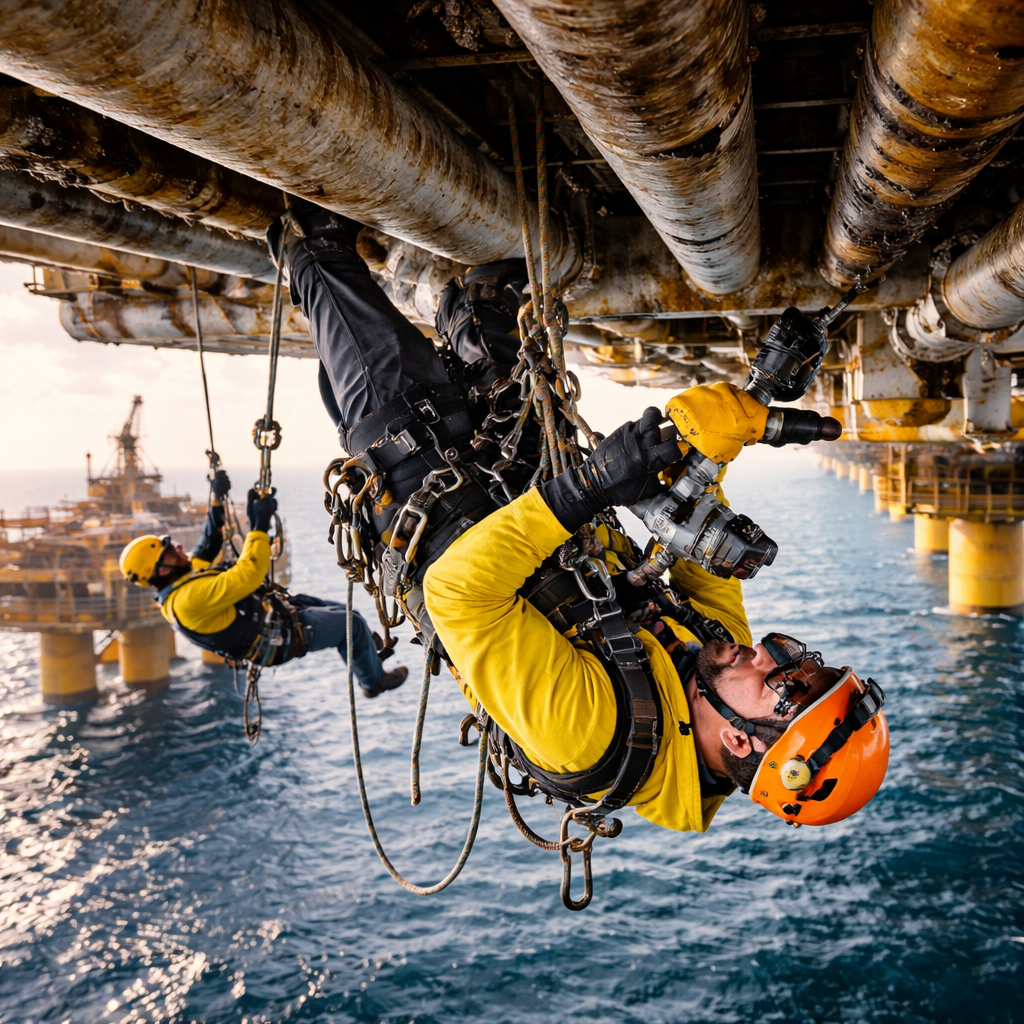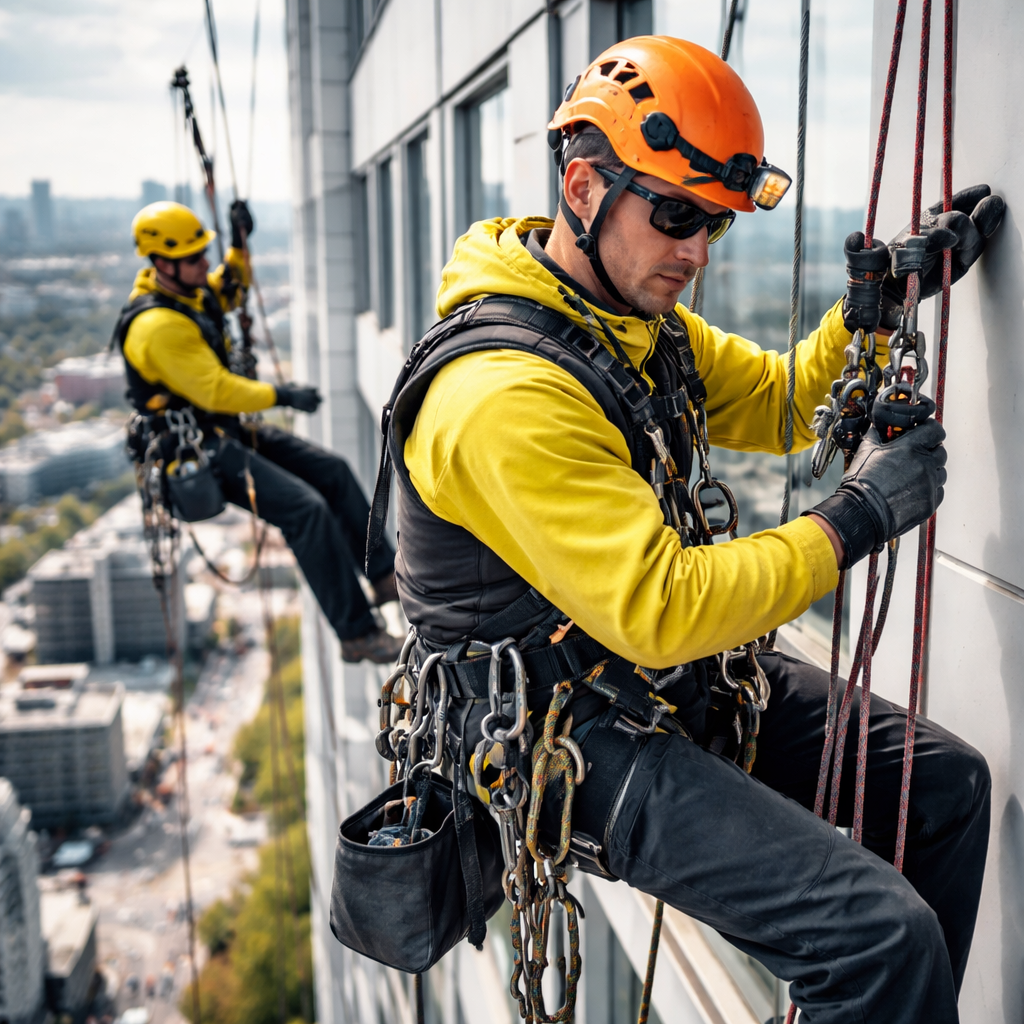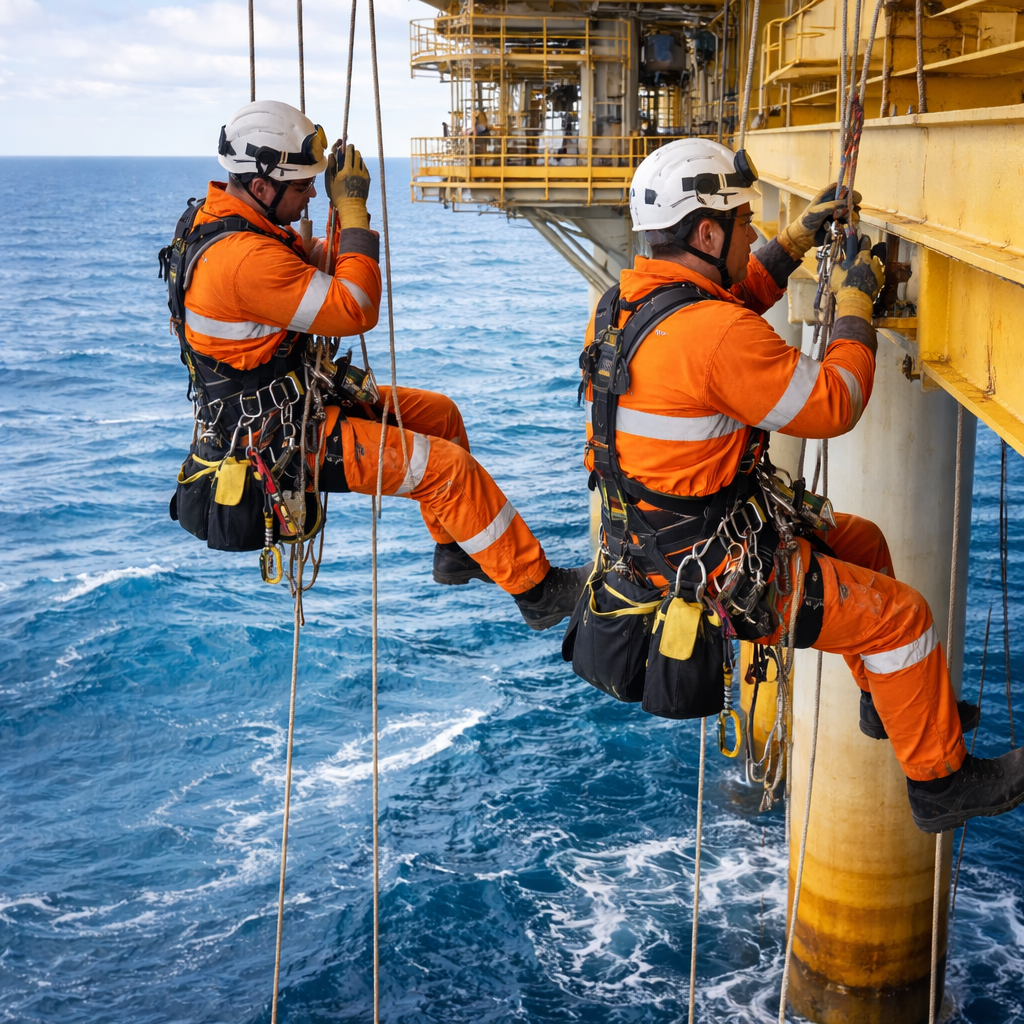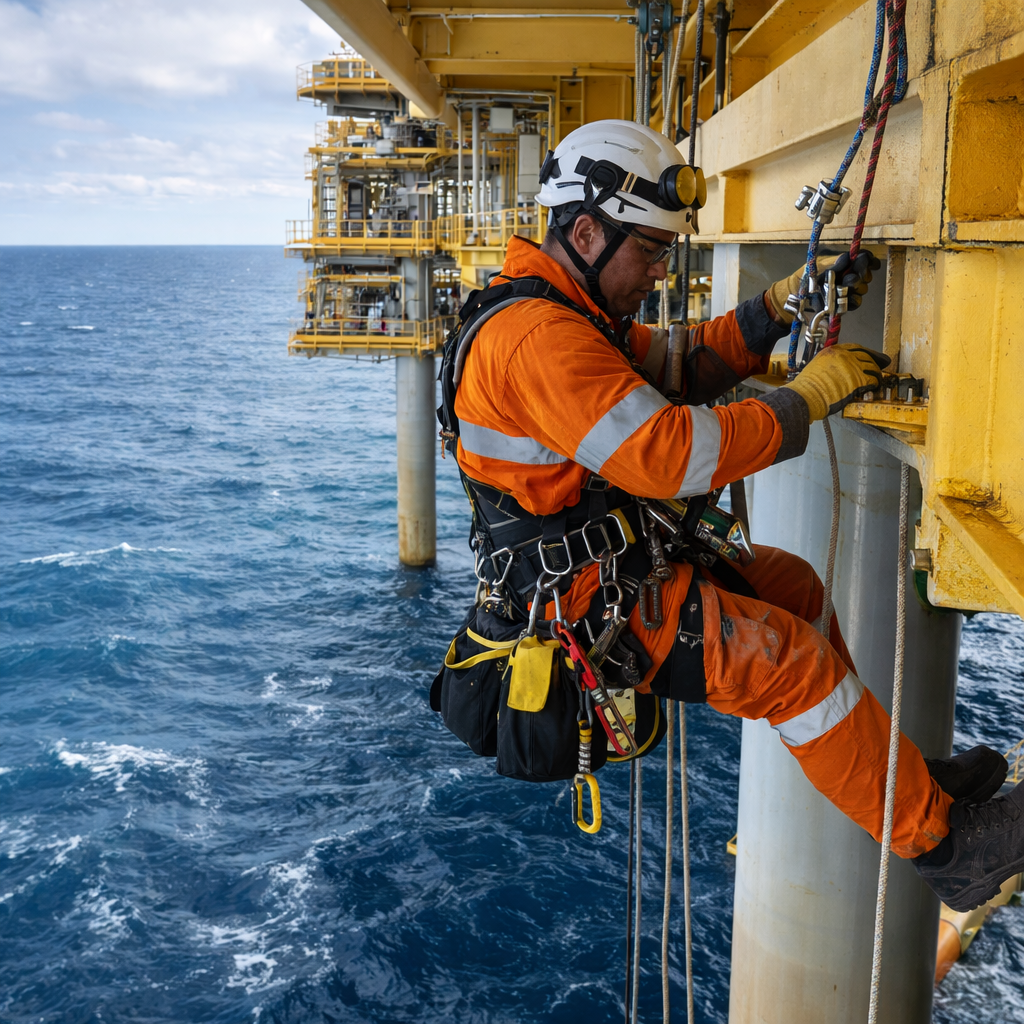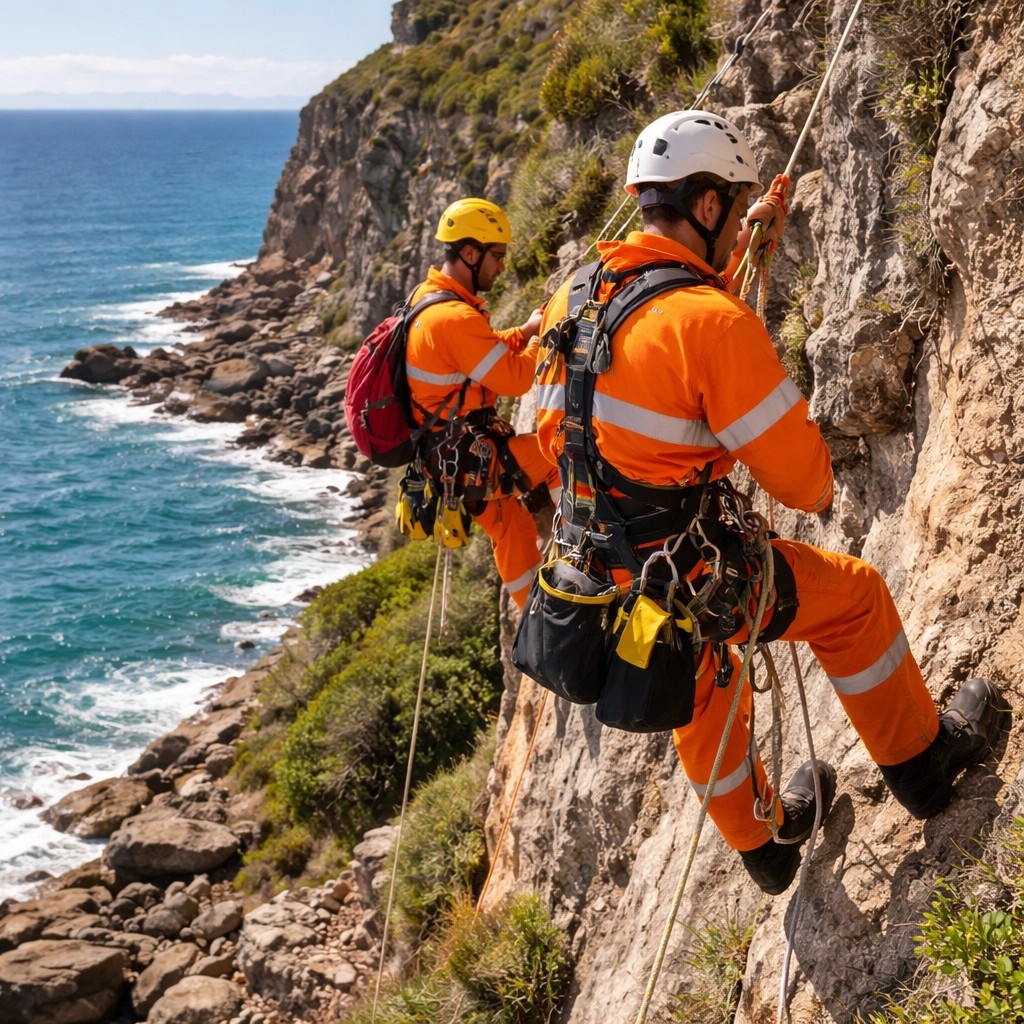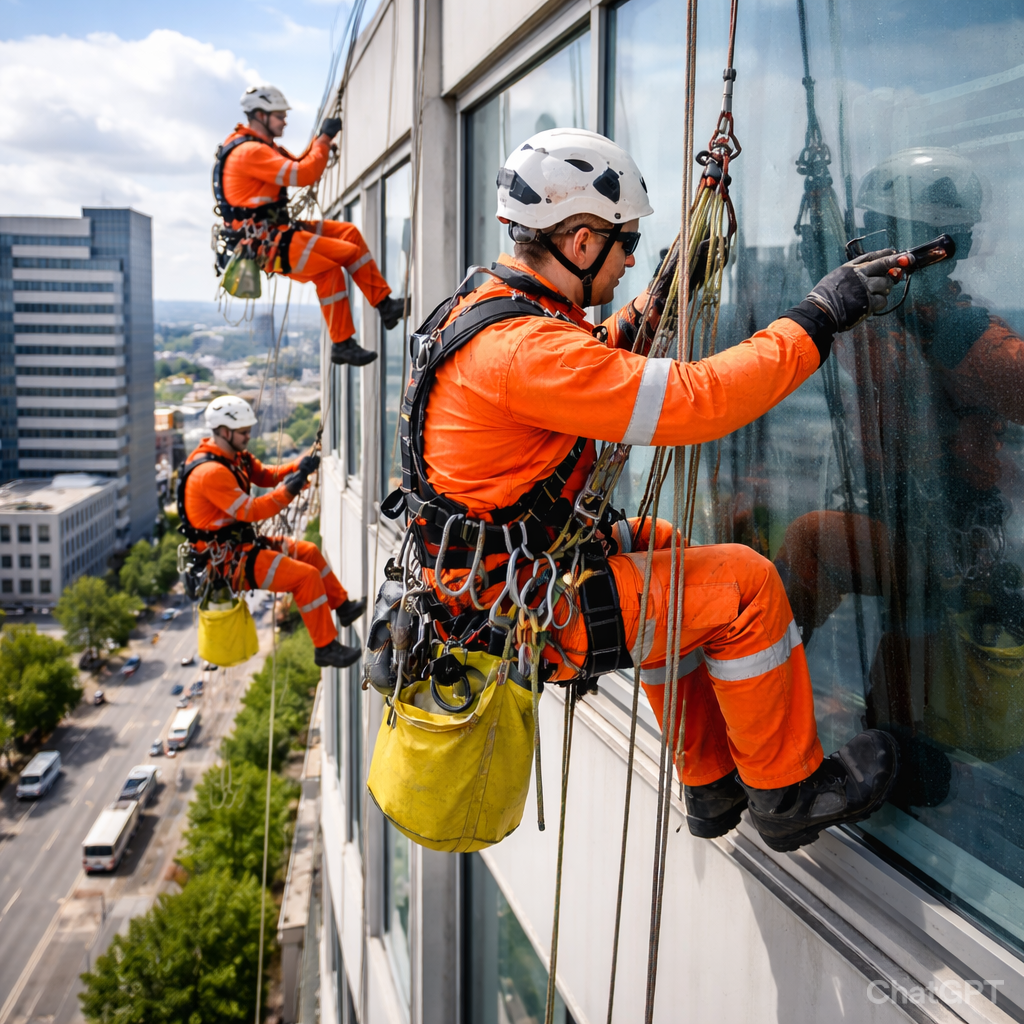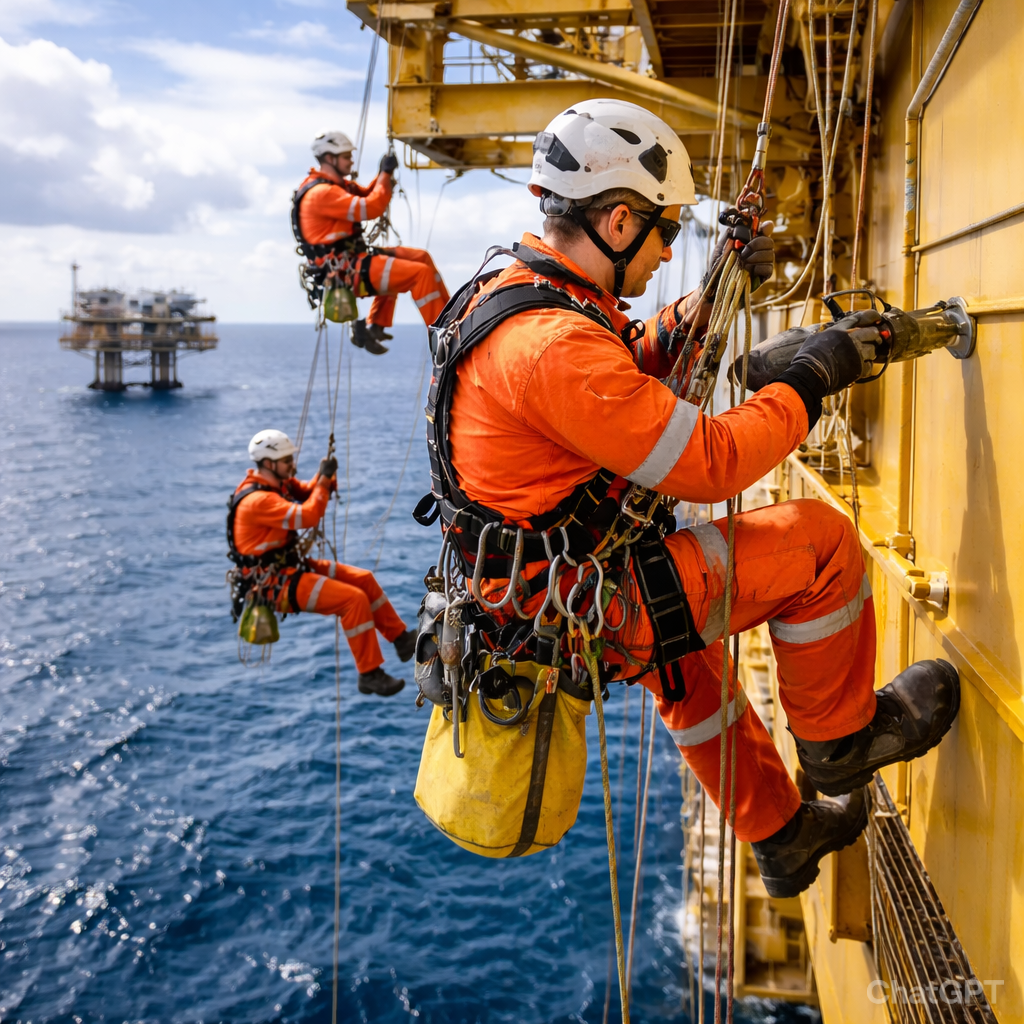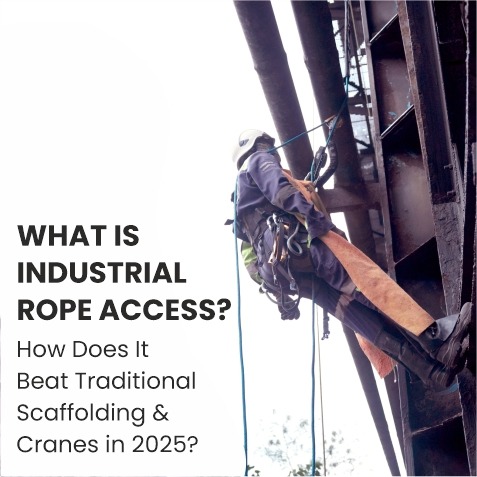
Industrial rope access has become one of the most efficient ways to perform inspection, repair, maintenance, and high-altitude work — especially in environments where traditional scaffolding or cranes create delays, high costs, and major site disruptions. In 2025, industries across offshore platforms, marine structures, wind farms, high-rise buildings, and infrastructure projects are choosing rope access because it delivers fast, controlled, low-impact access with unmatched safety.
At Evolution Access, rope access is performed by certified IRATA technicians who combine advanced safety systems with precise operational skills, making it a reliable solution for even the most complex sites.
______________________________________________________________________________________________________________
What Exactly Is Industrial Rope Access?
Industrial rope access is a method where trained technicians use a dual-rope system (main working rope + backup safety rope) to access difficult-to-reach areas. Instead of constructing large platforms or deploying heavy machinery, technicians descend, ascend, or position themselves using harnesses and equipment designed according to international safety standards.
The system is flexible, mobile, and suitable for:
- Offshore structures
- Vessel hulls & marine assets
- Refineries & power plants
- Wind turbines & renewable infrastructure
- Bridges & high-rise façades
- Confined-space environments
Explore Evolution Access services here: https://evolution-access.com
______________________________________________________________________________________________________________
Why Rope Access Beats Scaffolding in 2025
Traditional scaffolding is stable and useful, but it demands time, manpower, permissions, and significant space. For reference, scaffolding providers build excellent engineered systems — but those systems still require hours or days to install.
Rope access eliminates that delay.
Technicians can be deployed within minutes, not days. There is no need for heavy installation, dismantling, or transport. For short-duration tasks such as inspection, NDT, cleaning, painting, and maintenance, rope access is dramatically faster and more cost-effective.
Key advantages over scaffolding:
- Zero structural footprint
- No blocking of walkways/operations
- High flexibility on uneven or limited-access sites
- Ideal for offshore environments where scaffolding is impractical
______________________________________________________________________________________________________________
Why Rope Access Beats Cranes & Heavy Lifting Equipment
Cranes are powerful and essential for lifting heavy loads. Companies provide world-class crane & hoist systems — but cranes are not ideal for precise hands-on work like inspection or maintenance.
Rope access excels where human control and close-up access are required. It enables:
- Rapid personnel positioning
- Minimal setup time
- Zero ground disturbance
- Safe operations in confined or sensitive zones
For buildings with complex shapes, offshore rigs with narrow platforms, or towers exposed to wind, rope access offers precise access that cranes cannot match.
______________________________________________________________________________________________________________
The 2025 Advantage: Safer, Faster, Smarter
In 2025, industries demand solutions that reduce downtime and risk.
Rope access gives you:
- Exceptional safety (dual-rope fail-safe system)
- Lower cost of access
- Faster job completion
- Minimal operational interruption
- Highly trained IRATA-certified technicians
This combination makes rope access not just an alternative — but the preferred method for maintenance and inspection.
______________________________________________________________________________________________________________
FAQs
- Is industrial rope access safe for high-risk sites like offshore rigs or wind turbines?
Yes. Rope access follows IRATA-level safety systems, uses dual-rope protection, and is globally recognized as one of the safest access methods with extremely low incident rates.
- Can rope access replace scaffolding or cranes completely?
Not always. Scaffolding and cranes have their place. Rope access is ideal for inspection, maintenance, repair, and difficult-reach areas — while scaffolding is suited for long-duration construction, and cranes for lifting loads.
- How long does it take to deploy a rope access team?
Most rope access jobs begin within minutes of arrival. No large-scale assembly is required, making it much faster than scaffolding or crane setup.