




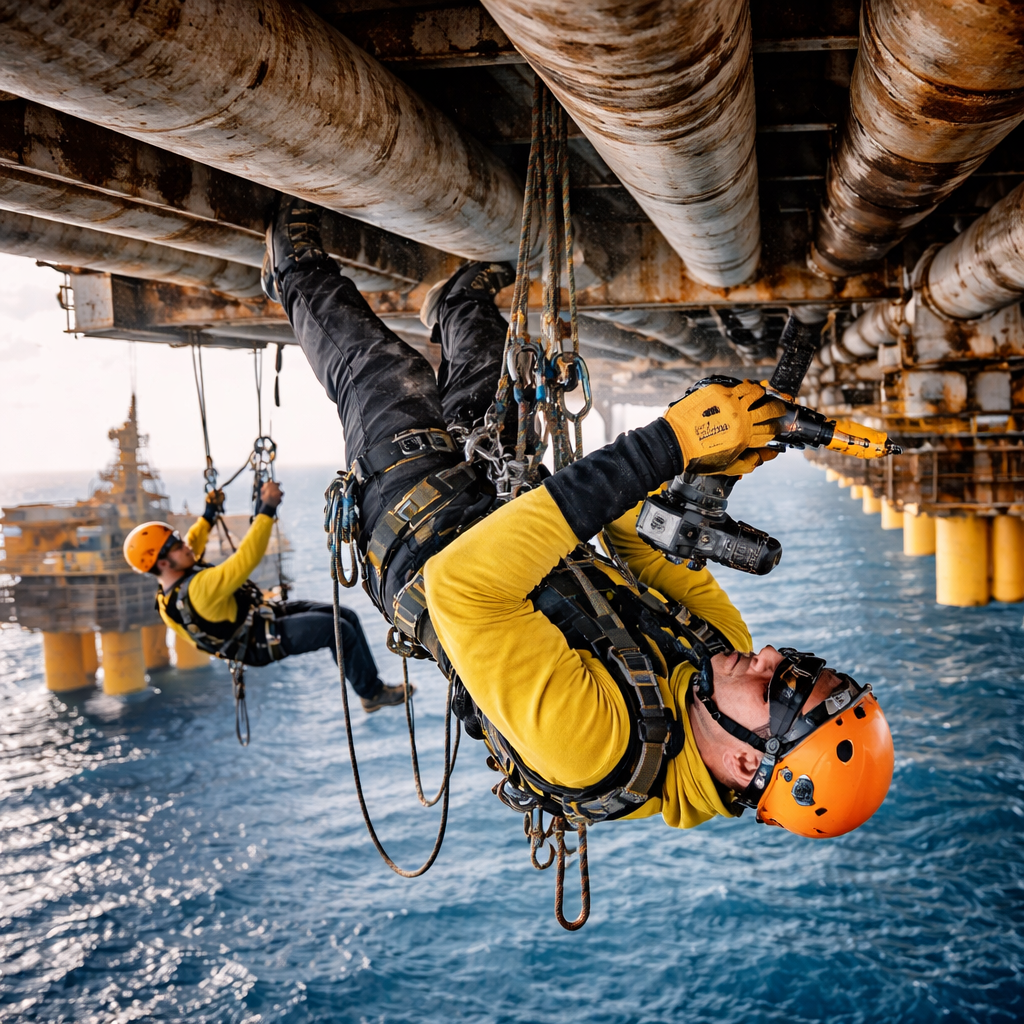
Marine structures such as offshore platforms, rigs, and coastal facilities operate in challenging environments. Strong winds, saltwater exposure, and difficult access points make inspections and maintenance complex. Offshore rope access provides a reliable method that helps technicians safely reach these areas while keeping operations efficient. Here are 7 key ways offshore rope access improves safety […]
Read More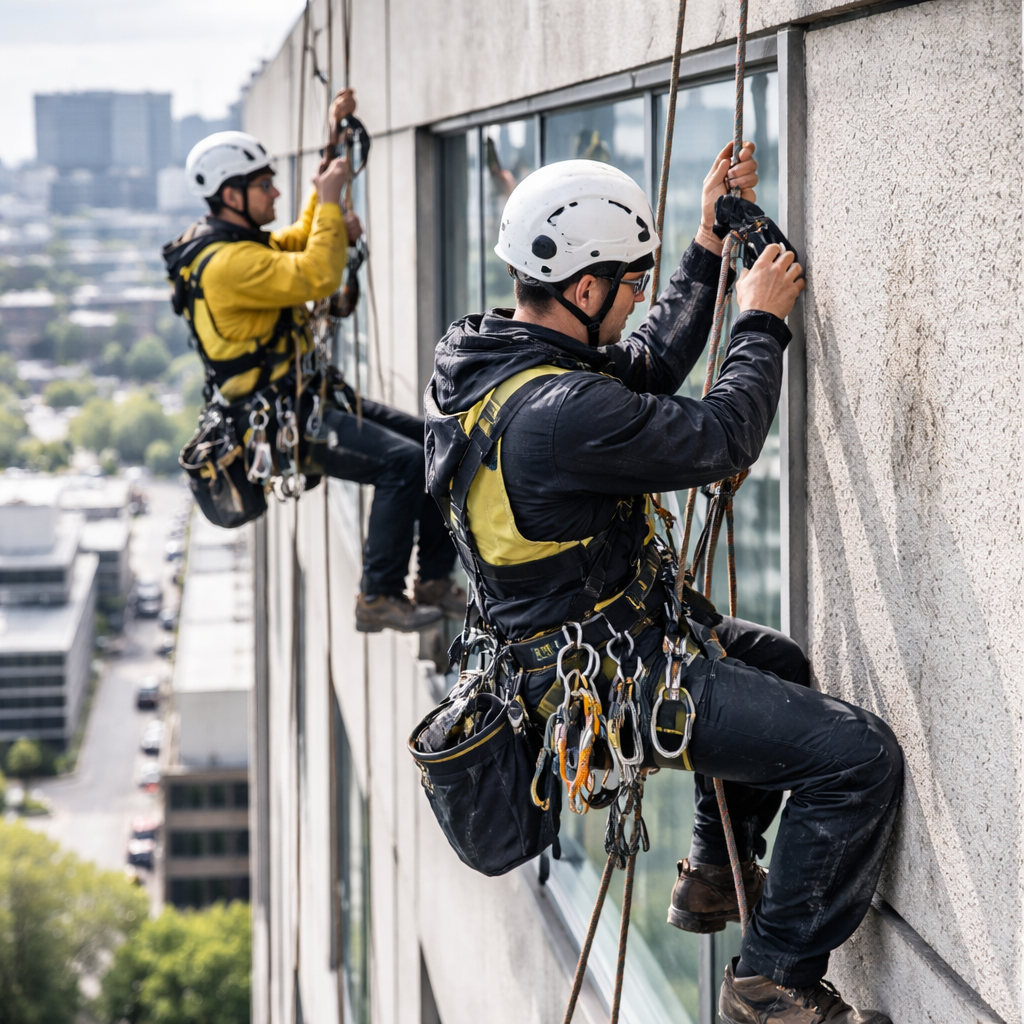
Many industries have structures that are tall, complex, or difficult to access. For inspection, maintenance, and repair work at height, rope access services provide a safe and efficient solution. Instead of installing large scaffolding systems, trained technicians use specialized rope systems to reach these areas quickly. Below are some of the major industries where rope […]
Read More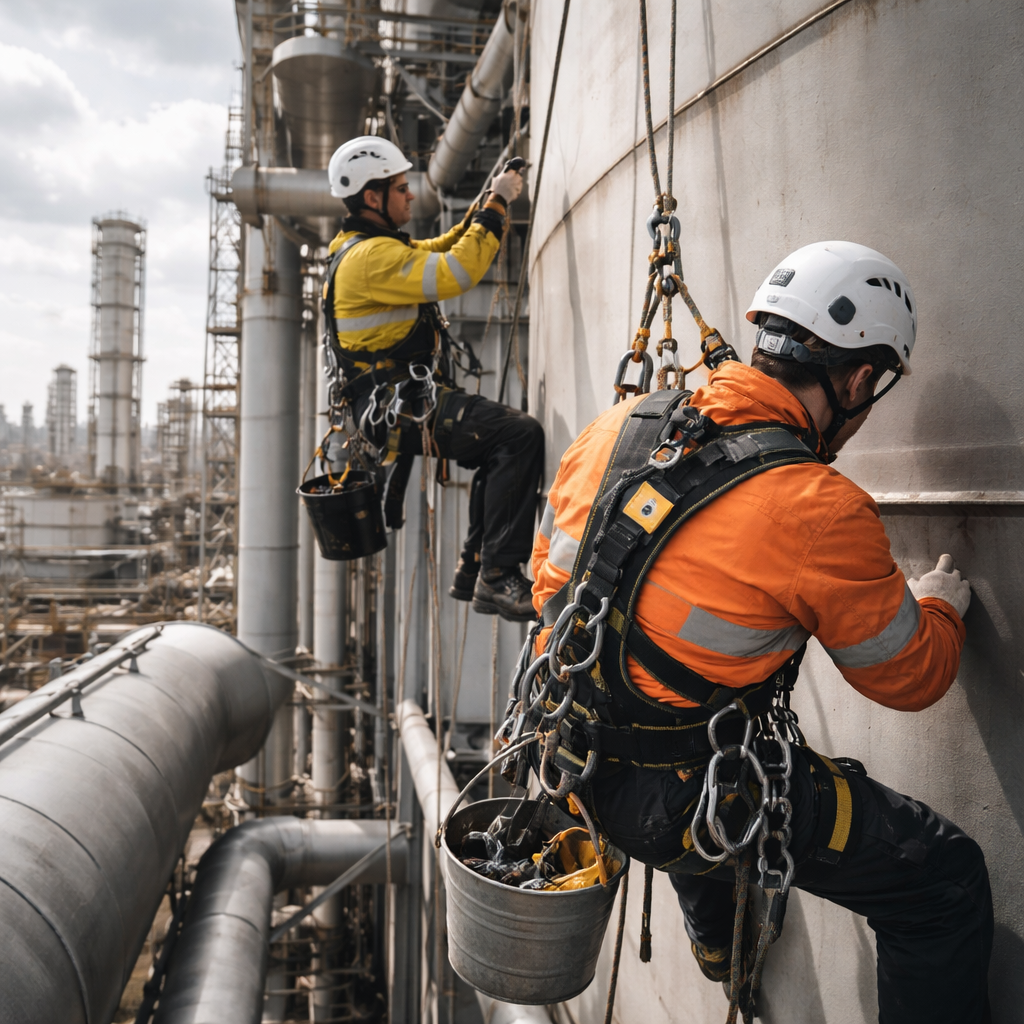
Maintaining large industrial structures onshore can be challenging. Many facilities include tall towers, storage tanks, pipelines, and complex structures that are difficult to reach using traditional access methods. Onshore rope access offers a practical solution that helps industries complete maintenance tasks more efficiently. Here are six common maintenance challenges and how onshore rope access helps […]
Read More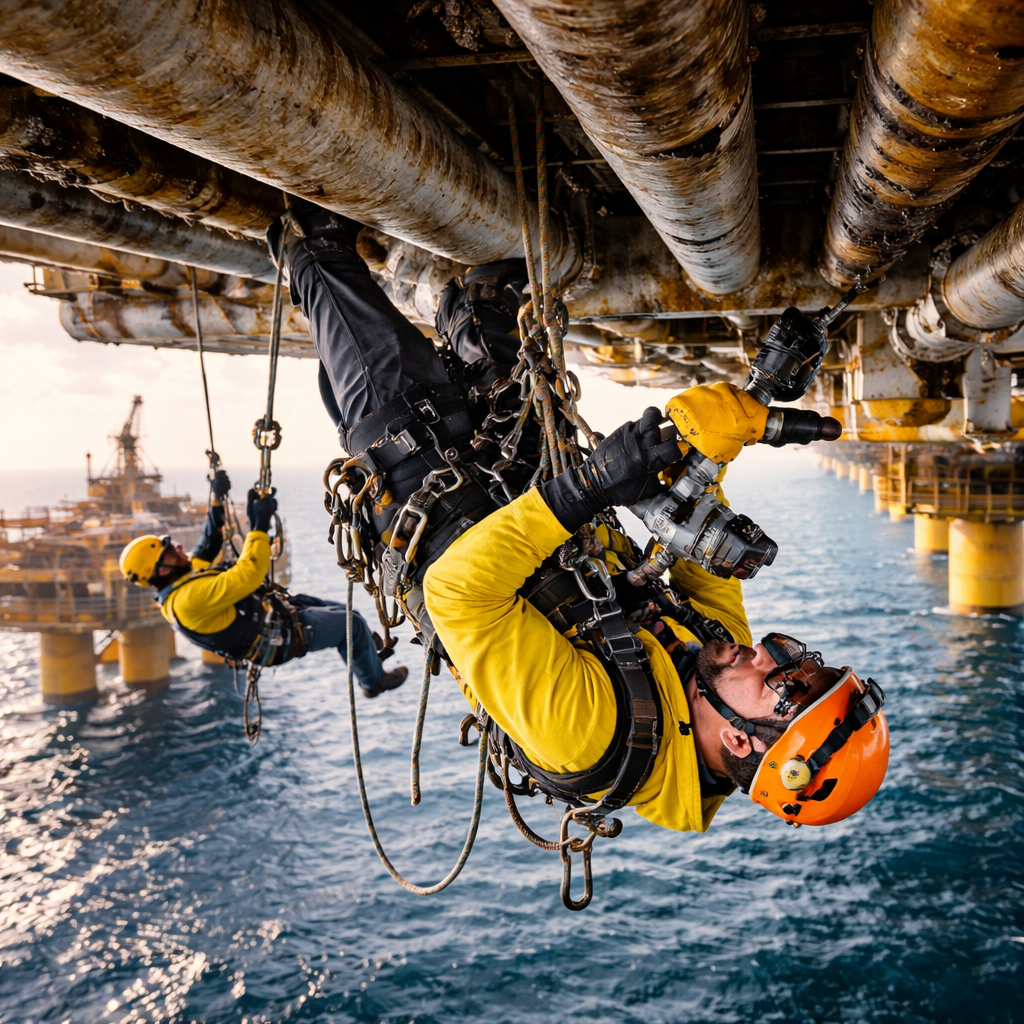
Offshore oil and gas platforms require constant inspection and maintenance due to harsh marine conditions. Accessing different parts of these structures can be challenging, especially when height, space limitations, and operational safety are involved. Offshore rope access offers a practical solution that allows skilled technicians to safely reach difficult areas without installing large access systems. […]
Read More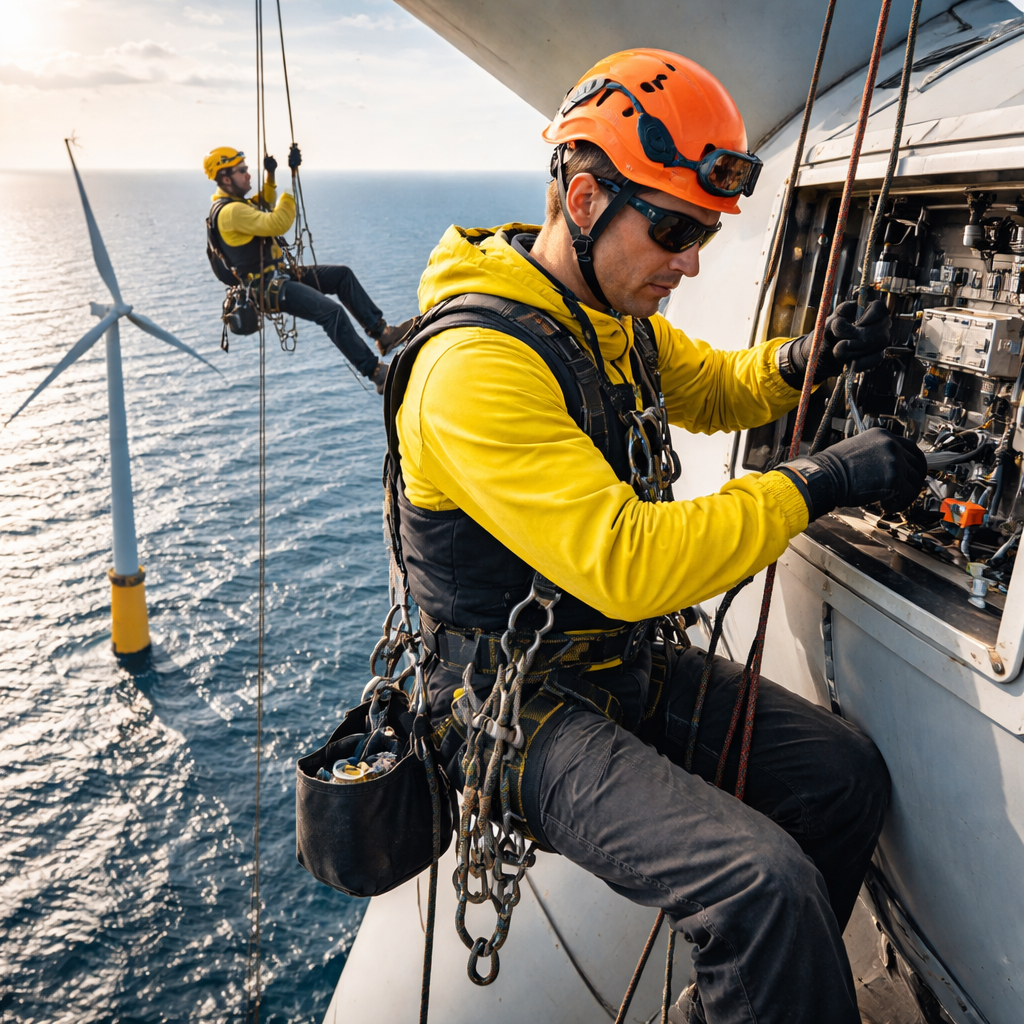
Industrial infrastructure often includes tall, complex, and difficult-to-reach structures. Performing maintenance on these assets can be challenging when using traditional access methods like scaffolding or heavy equipment. Onshore rope access provides a faster, safer, and more flexible solution for reaching elevated areas and completing critical tasks efficiently. Here are eight common applications of onshore rope […]
Read More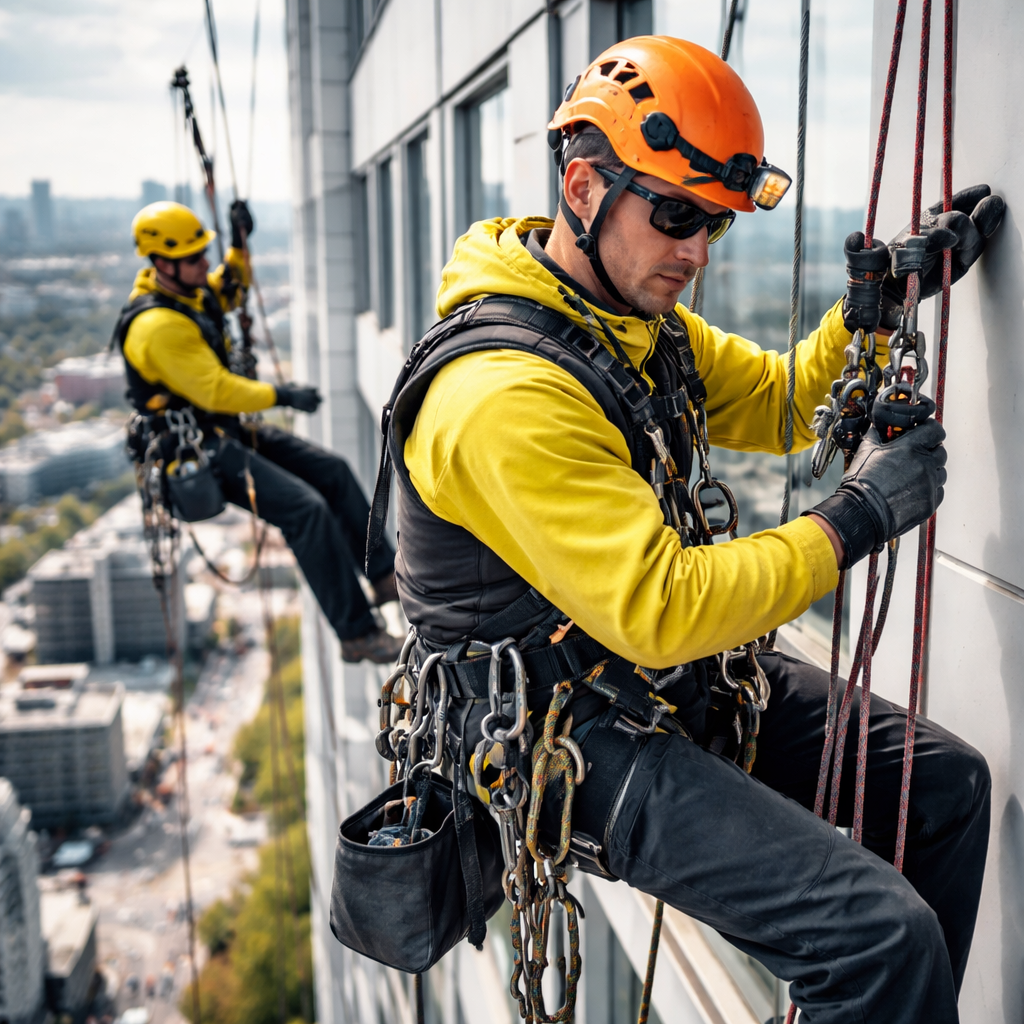
Industrial facilities are becoming more complex every year, and maintaining structures at height is a constant challenge. Traditional access solutions like scaffolding, cranes, or large platforms can be time-consuming and expensive. In 2026, rope access has become one of the most efficient and reliable solutions for performing maintenance, inspections, and repairs in difficult-to-reach locations. Using […]
Read More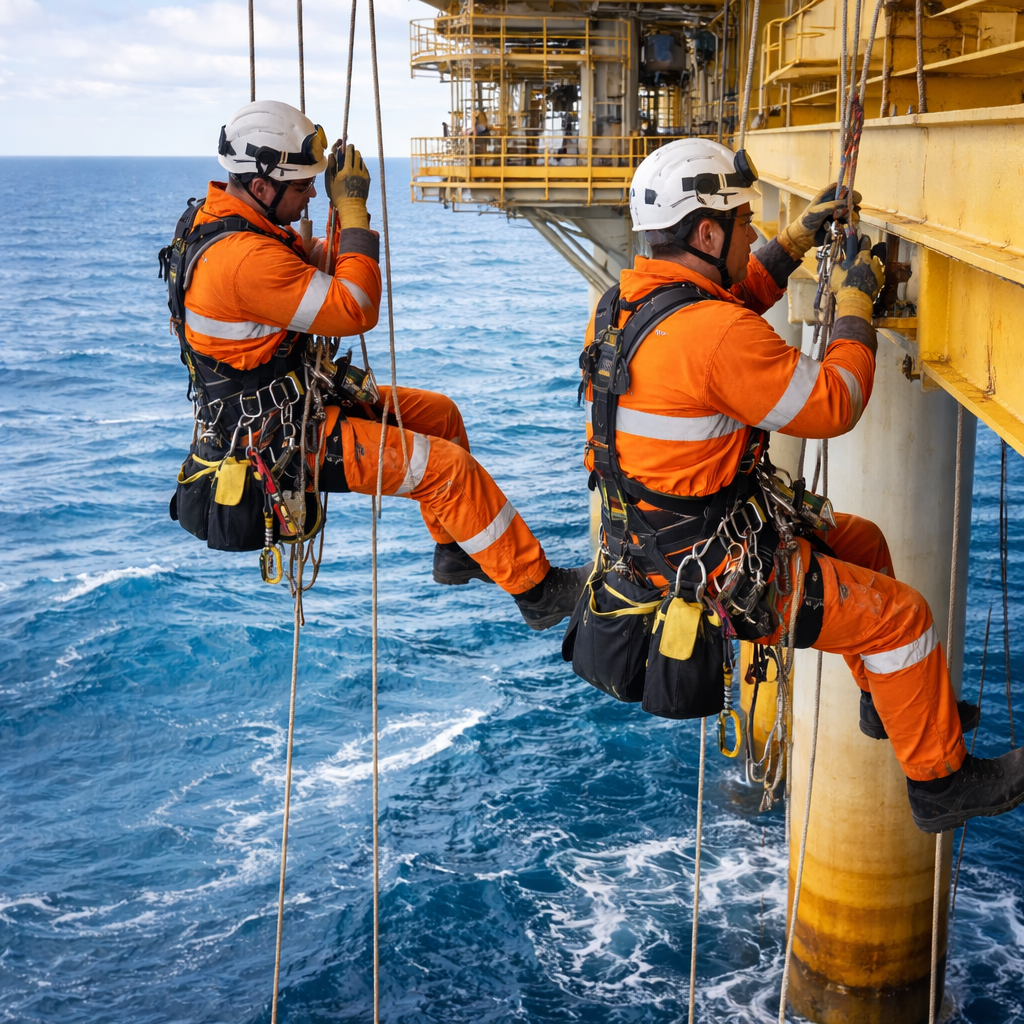
The Constant Threat of Offshore Corrosion Offshore rope access structures operate in highly corrosive environments where saltwater, humidity, and changing temperatures continuously attack exposed steel surfaces. Areas such as splash zones, braces, platforms, and under-deck components are especially vulnerable. Without regular corrosion control measures, structural integrity can weaken, leading to costly repairs and safety risks. […]
Read More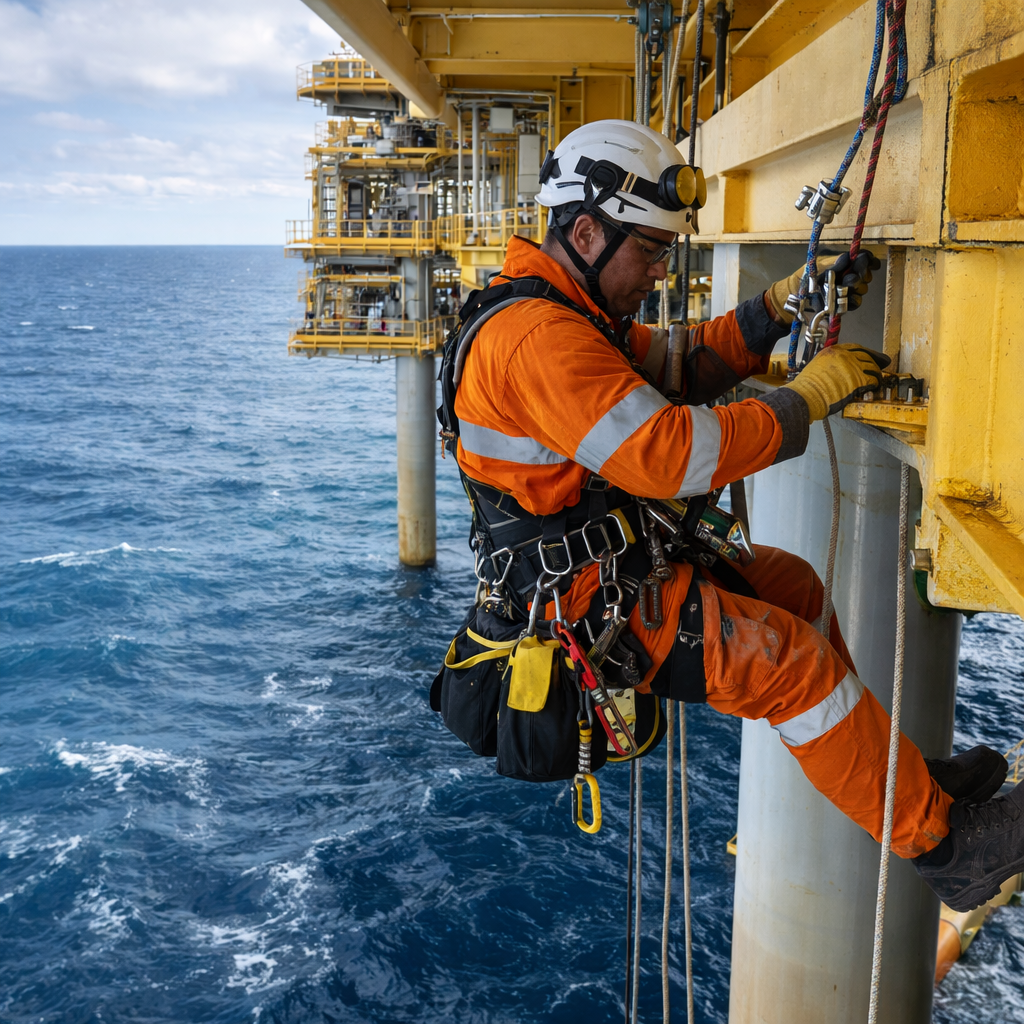
The Demands of Offshore Steel Maintenance Offshore rope access platforms, jackets, and marine structures are constantly exposed to saltwater, strong winds, and heavy wave action. Over time, steel components suffer from corrosion, coating failure, fatigue cracks, and mechanical damage. Repairing these issues quickly is essential to maintain structural integrity — but working in offshore environments […]
Read More